Waste Heat Energy: 7 Powerful Ways Heat Could Become Electricity
Waste heat is often released into the air, cooling systems, or surrounding equipment after a machine or industrial process has finished its main job. Yet that heat still contains usable energy. Waste Heat Energy focuses on recovering part of this otherwise unused thermal power and converting it into useful electricity or other forms of energy.
According to the U.S. Department of Energy, roughly 20% to 50% of industrial energy input can be lost as waste heat through hot exhaust gases, cooling water, hot equipment surfaces, and heated products. This makes heat recovery an important area for improving industrial energy efficiency.
As industries search for smarter ways to reduce energy losses, Waste Heat Energy could become an important part of future power systems. Modern recovery technologies can capture heat from engines, furnaces, kilns, turbines, and other equipment and convert it into useful power.
Table of Contents
- Why Waste Heat Energy Matters
- Thermoelectric Generators
- Waste Heat From Industrial Furnaces
- Engine and Vehicle Heat Recovery
- Supercritical CO2 Power Cycles
- Cement and Steel Production
- Data Centers and Computing Systems
- Future Waste Heat Networks
- Challenges and Limitations
- Future Potential
- FAQ
- Conclusion
Why Waste Heat Energy Matters
Every machine that uses fuel or electricity produces some form of heat. Some of that heat is necessary for the process, while some leaves through exhaust gases, cooling systems, or hot surfaces.
The problem is that capturing this heat is not always simple. Temperature, location, contamination, pressure, and timing can all affect whether a recovery system is practical. The Department of Energy notes that many waste heat recovery technologies already exist, but material limits and maintenance costs remain barriers to wider adoption.
Waste Heat Energy becomes especially valuable when the recovered heat can replace electricity or fuel that would otherwise be purchased separately. Instead of allowing thermal energy to disappear, a facility can potentially use it again.
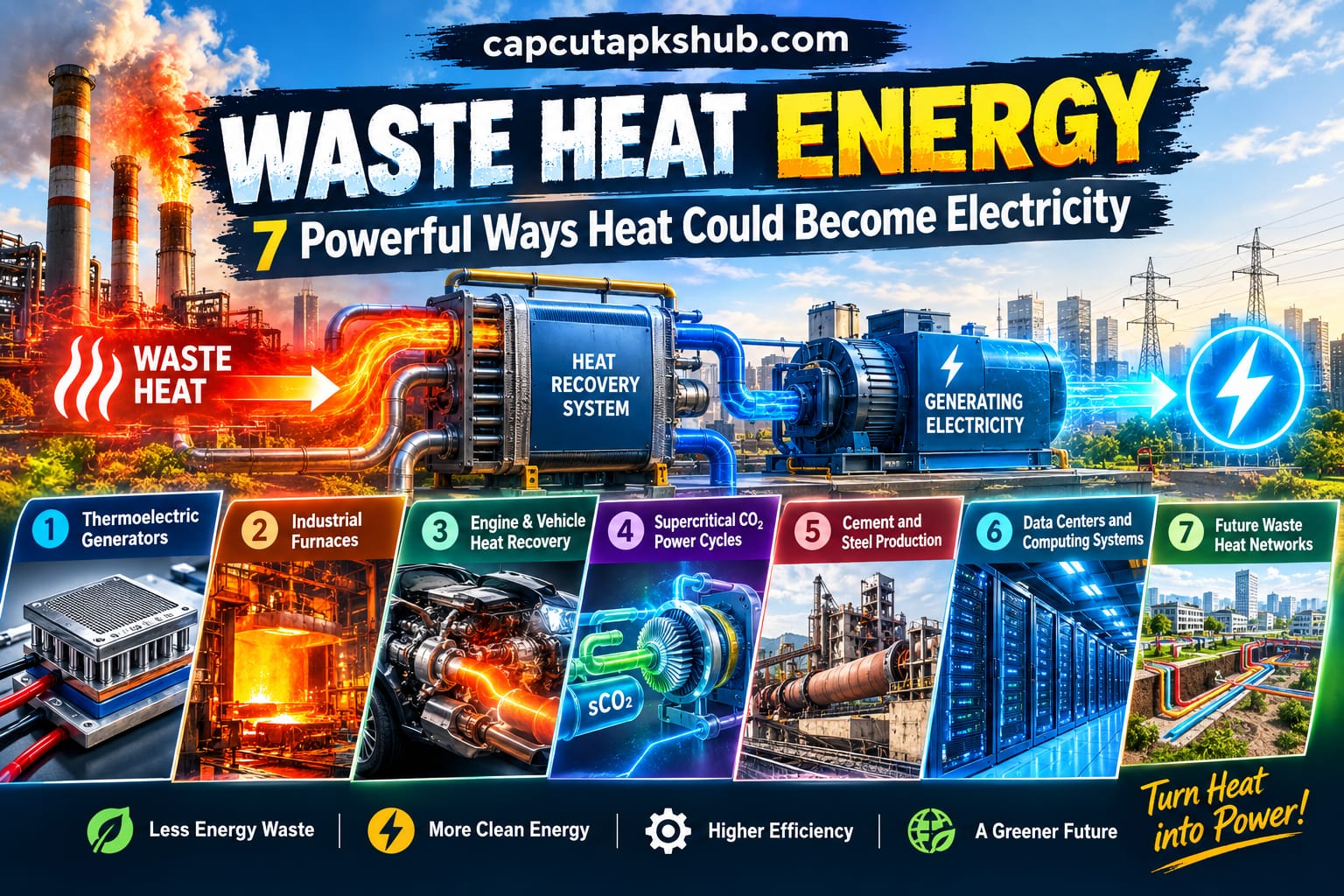
1. Thermoelectric Generators
Thermoelectric generators are one of the most interesting technologies connected with Waste Heat Energy. They use a temperature difference to produce electricity without traditional moving parts.
A thermoelectric module has a hot side and a cooler side. When the two sides remain at different temperatures, electrical voltage can be generated. This allows heat from a hot surface or exhaust stream to become electrical power.
The U.S. Department of Energy has studied thermoelectric generators for industrial waste heat recovery. Research has focused on applications including glass, aluminum, iron, and steel production.
The technology can be attractive because it can operate without turbines or large mechanical systems. However, efficiency depends strongly on the temperature difference and the performance of the thermoelectric materials.
Future materials could make these systems more useful in places where conventional heat recovery is difficult.
2. Waste Heat From Industrial Furnaces
Industrial furnaces can operate at extremely high temperatures. Glass furnaces, metal furnaces, kilns, and other process-heating equipment can therefore release large amounts of thermal energy.
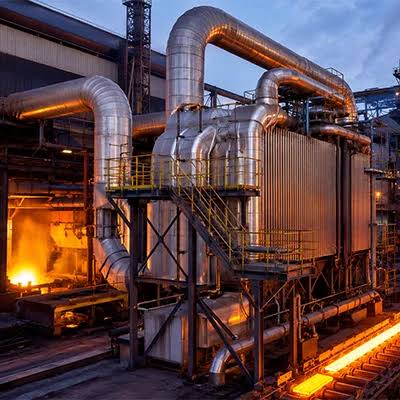
Capturing this heat can support Waste Heat Energy systems in several ways. A heat exchanger can transfer thermal energy to another fluid. That heated fluid can then be used elsewhere in the facility or in a power-generation cycle.
Another approach is to place a thermoelectric system near a suitable hot surface or exhaust stream. The system can convert part of the temperature difference into electricity.
The Department of Energy has identified high-temperature industrial processes as important opportunities for thermoelectric waste heat recovery.
3. Engine and Vehicle Heat Recovery
Cars, trucks, ships, generators, and industrial engines produce significant amounts of heat. Much of it leaves through exhaust systems or cooling systems.
In the future, Waste Heat Energy could help recover a portion of this thermal output. Small generators or heat-recovery cycles could potentially turn some exhaust heat into electricity.
This concept is especially interesting for vehicles and machines that operate for long periods. Even a small improvement repeated over thousands of operating hours could have a useful effect.
A recovery system must be compact, lightweight, durable, and able to operate under changing temperatures. Vehicle systems also face vibration and limited installation space.
4. Supercritical CO2 Power Cycles
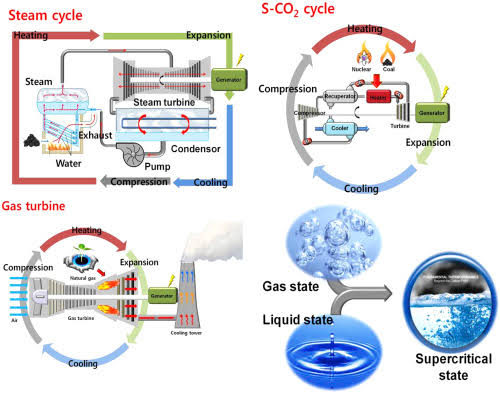
Supercritical carbon dioxide, often written as sCO2, is another technology being investigated for Waste Heat Energy applications.
In an sCO2 power cycle, carbon dioxide is used as the working fluid. Heat can be transferred into the cycle, causing the fluid to drive turbomachinery and generate electricity.
The U.S. Department of Energy describes sCO2 cycles as scalable for industrial waste heat applications and notes their potential use with heat from engines, ovens, turbines, kilns, and furnaces.
One potential advantage is that the equipment can be relatively compact compared with some conventional steam-based systems. This could make sCO2 technology interesting for facilities where space is limited.
However, the technology still requires specialized equipment, suitable temperature conditions, and careful engineering. It is not a universal replacement for existing power cycles.
5. Cement and Steel Production
Cement and steel plants are particularly interesting for Waste Heat Energy because their production processes involve very high temperatures.
Cement kilns, for example, release hot gases that can contain recoverable thermal energy. Heat recovery systems can capture part of this energy and use it to generate electricity or support other processes.
A recent U.S. Department of Energy validation project demonstrated a pilot thermoelectric generator at a cement plant. The system was designed to recover waste heat from a cement kiln and convert it into electricity. The project reported measured gross and net electricity generation during the demonstration.
Steel production also contains multiple high-temperature processes. Heat recovery can potentially reduce the amount of additional energy required by a facility.
These applications show that Waste Heat Energy is not only a theoretical concept. Demonstration projects are testing ways to recover useful electricity from industrial heat under real operating conditions.
6. Data Centers and Computing Systems
Data centers are another unusual area for Waste Heat Energy. Servers consume electricity, and a large portion of that electrical input eventually becomes heat.
Modern data centers already use cooling systems to remove this heat. Instead of treating all thermal output as something that must simply be discarded, future facilities could look for ways to reuse it.
Heat can potentially be reused for buildings, water heating, industrial processes, or other nearby needs. Generating electricity from relatively low-temperature data-center heat can be more difficult than recovering heat from a furnace.
Therefore, direct heat reuse may often be more practical than electricity generation in this situation.
7. Future Waste Heat Networks
One of the most interesting future possibilities is connecting several users through a shared heat network.
A factory could provide excess heat to a nearby building. A data center could provide warm water to another facility. An industrial site could send recovered thermal energy to a district heating network.
This approach could expand Waste Heat Energy beyond individual machines. Instead of recovering heat only for the same facility, communities could treat excess thermal energy as a local resource.
The U.S. Department of Energy already identifies waste heat to power as an onsite energy technology, alongside systems such as combined heat and power, geothermal, fuel cells, and thermal storage.
Future digital controls could also help match heat supply with demand. Sensors could monitor temperatures, production schedules, and energy requirements in real time.
Challenges and Limitations
Waste heat recovery sounds simple, but several technical problems must be solved.
The first challenge is temperature. High-temperature heat is generally easier to convert into useful work than low-temperature heat. When the temperature difference is small, electricity generation becomes more difficult.
The second challenge is cost. Recovery equipment, heat exchangers, generators, controls, and maintenance can require significant investment.
The third challenge is contamination. Industrial exhaust can contain dust, chemicals, or corrosive materials that damage equipment or reduce heat-transfer performance.
The fourth challenge is changing production. A factory may not produce the same amount of heat throughout the day. A recovery system must therefore work with variable heat availability.
These limitations mean Waste Heat Energy systems should be designed for specific applications rather than treated as one universal technology.
Future Potential
Better materials and smarter system design could determine how quickly Waste Heat Energy develops.
Thermoelectric materials with improved performance could make direct heat-to-electricity conversion more practical. Better heat exchangers could capture thermal energy more efficiently. Advanced control systems could automatically adjust recovery equipment as industrial conditions change.
There is also potential for combining several technologies. A facility might use high-temperature heat for power generation, medium-temperature heat for industrial processes, and lower-temperature heat for water or building heating.
This layered approach could extract more useful energy from the same thermal source.
The Department of Energy continues to identify waste heat recovery as an important industrial efficiency opportunity, including research into technologies that recover, store, and reuse thermal energy.
FAQ
What is Waste Heat Energy?
Waste Heat Energy refers to usable thermal energy recovered from heat that would otherwise be released or lost. It can sometimes be converted into electricity or reused directly.
Can waste heat generate electricity?
Yes. Technologies such as thermoelectric generators and power cycles can convert suitable waste heat into electricity. The amount of electricity depends on factors including temperature, heat flow, system efficiency, and operating conditions.
Where does waste heat come from?
Common sources include industrial furnaces, engines, turbines, kilns, exhaust gases, manufacturing equipment, and computing systems.
Is Waste Heat Energy renewable?
Waste heat itself is not usually classified as a primary renewable energy source. It is better described as recovered energy because it comes from an existing industrial or commercial process.
What is the biggest challenge?
Temperature and economics are major challenges. Low-temperature heat can be difficult to convert efficiently into electricity, while recovery equipment can require significant investment.
Conclusion
Waste heat is often treated as an unavoidable byproduct, but it can also represent an opportunity to recover useful energy. From thermoelectric generators to sCO2 cycles and industrial heat networks, several technologies are being developed or demonstrated to capture thermal energy that would otherwise be lost.
Waste Heat Energy could become increasingly important as industries look for ways to reduce energy waste and improve efficiency. Cement plants, steel facilities, engines, furnaces, and data centers all provide different opportunities.
The technology is not yet suitable for every application. Temperature, cost, equipment durability, and heat availability must be considered carefully. However, ongoing research and demonstration projects show that recovering heat can be more than an efficiency idea.
As materials improve and energy systems become smarter, Waste Heat Energy could help turn previously discarded thermal energy into useful electricity, heating, or industrial power.