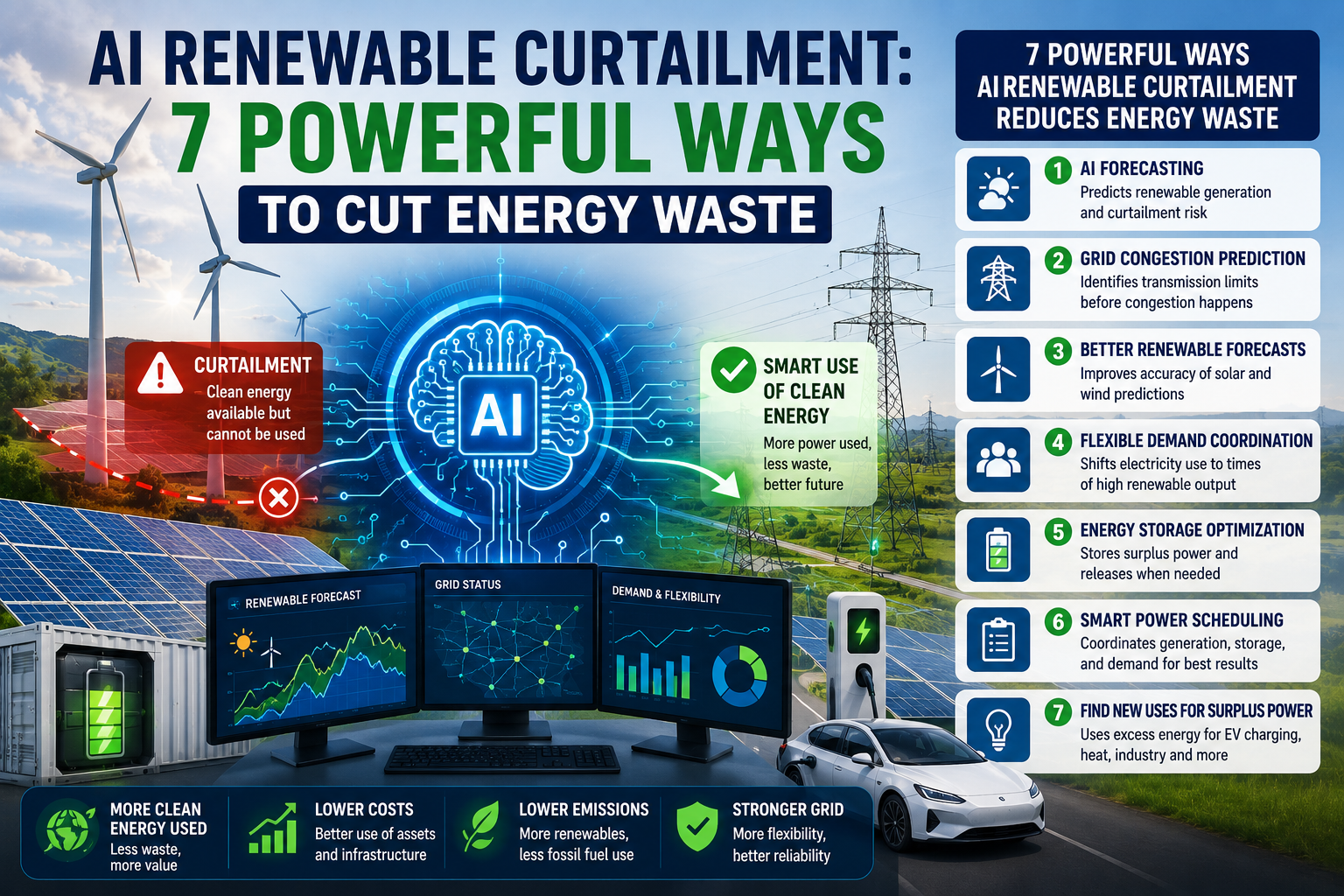
AI Renewable Curtailment: 7 Powerful Ways to Cut Energy Waste
AI Renewable Curtailment is becoming an important topic as solar and wind power continue to expand. Renewable electricity can sometimes be available but cannot be fully delivered to consumers because of transmission limits, grid stability requirements, or a mismatch between electricity supply and demand. The International Energy Agency (IEA) says curtailment is becoming more common in several markets as variable renewable energy grows.
Artificial intelligence can help address this challenge by improving renewable forecasts, predicting grid congestion, coordinating flexible electricity demand, and supporting smarter energy storage. Instead of simply reducing renewable generation, smarter systems can look for ways to use more of the clean electricity that is already available.
Table of Contents
- What Is AI Renewable Curtailment?
- Why Renewable Energy Gets Curtailed
- 7 Powerful Ways to Reduce Curtailment
- Challenges and Future
- FAQs
- Conclusion
What Is AI Renewable Curtailment?
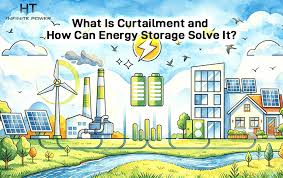
AI Renewable Curtailment refers to the use of artificial intelligence to predict, manage, and reduce situations where available renewable electricity cannot be fully used or delivered to the grid.
Curtailment commonly affects variable renewable sources such as solar and wind. It does not necessarily mean that electricity was physically wasted; rather, a power system may intentionally reduce generation because it cannot safely or economically absorb all available output at that moment.
The IEA explains that transmission capacity limitations, system stability requirements, and supply-demand imbalances can all contribute to renewable curtailment.
AI Renewable Curtailment and Clean Energy
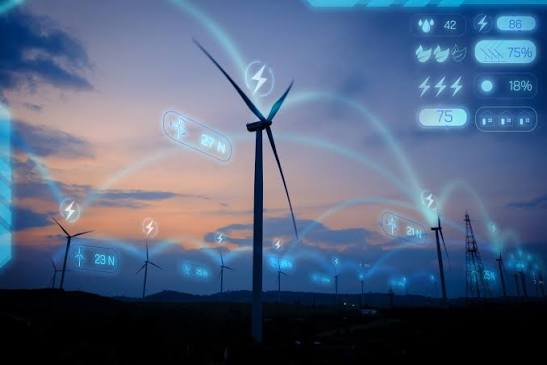
As renewable capacity increases, the ability to manage changing electricity production becomes more important. The IEA projects almost 4,600 GW of renewable power capacity additions between 2025 and 2030, with solar PV representing a large share of the expected expansion.
This growth creates both an opportunity and a challenge. More renewable generation can reduce dependence on fossil fuels, but power systems also need enough flexibility to use electricity when it is available.
Why AI Renewable Curtailment Matters
Renewable curtailment can reduce the amount of electricity that renewable projects are able to deliver. Persistent curtailment can also affect project revenues and indicate that transmission, flexibility, or system planning may not be keeping pace with renewable growth.
The problem is already visible in different markets. According to the IEA, renewable curtailment in the European Union exceeded 10 TWh in 2024.
This is why better forecasting and flexible energy systems are becoming increasingly valuable.
Why Renewable Energy Gets Curtailed
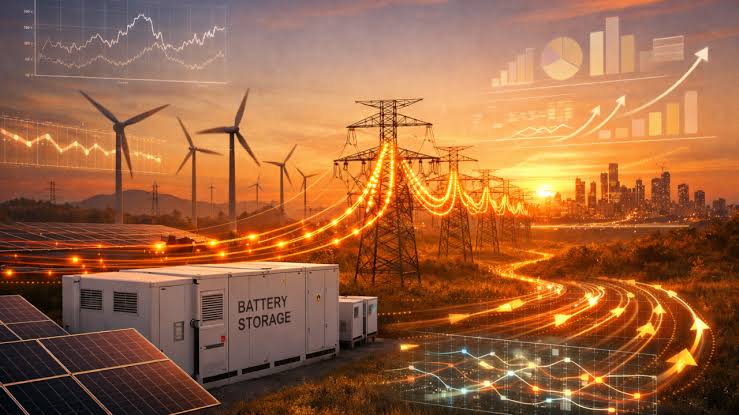
Several factors can cause renewable electricity to be curtailed.
Transmission congestion is one major reason. A solar or wind project may have plenty of available electricity, but the local transmission network may not have enough capacity to move it somewhere else.
Low electricity demand can create another problem. Solar generation can be especially high during periods when demand is relatively low.
Grid stability requirements can also require renewable plants to reduce their output. In addition, a lack of energy storage or flexible demand can make it harder to absorb temporary periods of surplus electricity.
| Cause of Curtailment | Main Problem | Potential AI Support |
|---|---|---|
| Low demand | Too much generation at one time | Demand forecasting |
| Transmission congestion | Electricity cannot move easily | Congestion prediction |
| Solar or wind surges | Sudden production increases | Renewable forecasting |
| Grid stability | System needs controlled operation | Grid monitoring |
| Limited storage | Surplus electricity cannot be saved | Storage optimization |
| Inflexible demand | Consumption cannot shift easily | Demand-response planning |
7 Powerful Ways AI Renewable Curtailment Can Cut Energy Waste
1. AI Renewable Curtailment Forecasting
One of the strongest applications is predicting when curtailment may occur.
AI models can analyze weather conditions, historical renewable generation, electricity demand, and grid information to identify periods when renewable output may exceed what the system can absorb.
Earlier forecasts can give grid operators more time to prepare storage, flexible demand, or alternative transmission options.
Better prediction does not eliminate curtailment by itself, but it can make the electricity system more prepared.
2. AI Can Predict Renewable Grid Congestion
Transmission congestion can prevent available solar or wind electricity from reaching areas where it is needed.
AI can analyze historical power-flow patterns and current grid conditions to identify locations that may become congested.
This information can help operators make better decisions before renewable production reaches its highest levels.
Transmission expansion and improved system operations are among the strategies identified by NREL for integrating larger amounts of variable renewable energy.
3. AI Can Improve Solar and Wind Forecasts
Weather changes can make renewable electricity production difficult to predict.
AI can process weather information and historical generation patterns to estimate future solar and wind output. Better forecasts can help operators prepare for periods of unusually high generation.
For example, if a system expects strong solar production during a low-demand period, operators can prepare storage or flexible loads in advance.
This can reduce the likelihood of unexpected surplus generation.
4. AI Can Coordinate Flexible Electricity Demand
Electricity demand does not always have to occur at exactly the same time.
AI can identify flexible loads that may be shifted toward periods when renewable generation is abundant. Examples can include electric vehicle charging, some industrial processes, heating systems, and building equipment.
The IEA says demand flexibility can improve the use of existing electricity and network assets while reducing peak stress, losses, and curtailment.
This creates a smarter relationship between renewable supply and electricity demand.
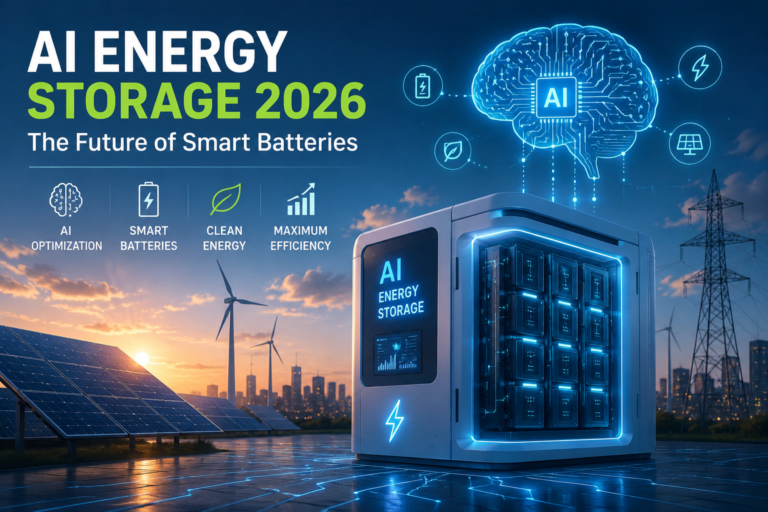
5. AI Can Optimize Energy Storage
Energy storage can absorb surplus electricity and release it later when demand increases.
AI can help determine when batteries should charge or discharge by considering renewable forecasts, electricity demand, grid conditions, and expected future requirements.
NREL research has examined how storage duration can reduce renewable curtailment in high-renewable scenarios. In one modeled Texas scenario with very high variable renewable generation, adding storage reduced the modeled curtailment compared with having no storage.
The important point is that storage works best when its capacity, location, and operating strategy match the needs of the electricity system.
6. AI Can Improve Renewable Power Scheduling
Grid operators must continuously balance electricity supply and demand.
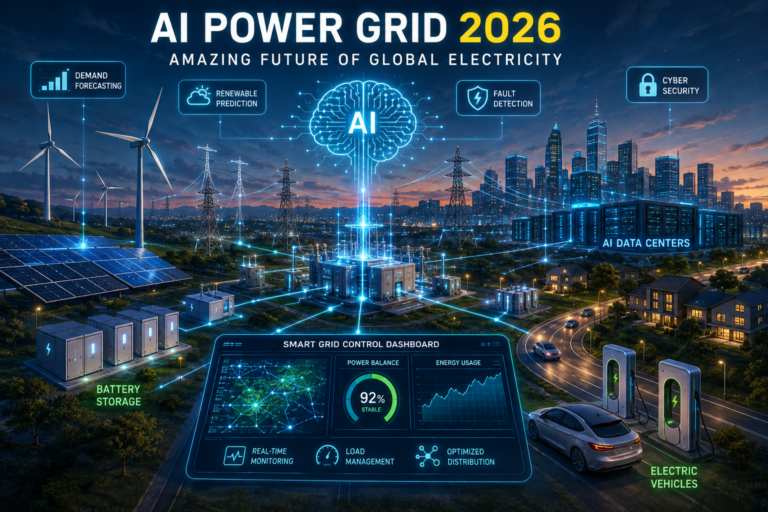
AI can support scheduling by analyzing changing conditions and helping coordinate renewable generation, storage, flexible demand, and other grid resources.
Better scheduling can reduce situations where renewable electricity is available but cannot be used efficiently.
This is especially useful when renewable output changes quickly because of weather conditions.
7. AI Can Find Better Uses for Surplus Renewable Energy
Another approach is to find useful applications for electricity that might otherwise be curtailed.
AI can help identify periods when surplus renewable electricity could support flexible loads, electric vehicle charging, heating, storage, or selected industrial processes.
NREL also notes that curtailment itself can sometimes provide value as a grid-management tool rather than being viewed only as wasted electricity.
The goal, therefore, is not necessarily to eliminate every curtailment event. The goal is to make better decisions about when renewable generation should be used, stored, moved, or reduced.
AI Renewable Curtailment and Grid Flexibility
Reducing curtailment requires more than artificial intelligence alone. The electricity system also needs flexibility.
That flexibility can come from energy storage, transmission, flexible electricity demand, improved forecasting, and other operational resources.
The IEA says that increasing shares of variable renewables require greater power-system flexibility and grid investment.
AI can act as a coordination tool by bringing information from different parts of the energy system together.
AI Renewable Curtailment and Demand Response
Demand response is particularly useful because it allows electricity consumption to change in response to system conditions.
For example, an electric vehicle could potentially charge during a period of strong solar generation rather than during a period when the grid is already under pressure.
NREL research has found that demand-side flexibility can shift electricity demand to better align with wind and solar generation and reduce the risk of renewable curtailment in modeled high-electrification scenarios.
AI Renewable Curtailment Graph
The following chart uses illustrative suitability scores, not real-world measured performance. It shows which strategies can potentially play different roles in reducing renewable curtailment.
The chart is intended only as a visual explanation. Actual results depend on the grid, technology, market rules, weather, and available infrastructure.
Challenges of AI Renewable Curtailment
Although AI Renewable Curtailment can provide useful solutions, artificial intelligence cannot solve every grid problem.
One challenge is data quality. AI forecasting systems need reliable weather, generation, demand, and grid information.
Another challenge is infrastructure. An AI system may predict that surplus renewable electricity is available, but the grid still needs enough transmission, storage, or flexible demand to make use of it.
Cybersecurity is also important. More digital control of energy systems creates a need for strong security and carefully controlled access.
AI Renewable Curtailment Needs Human Oversight
AI can support energy operators, but important grid decisions still require appropriate human oversight.
Power systems are complex, and unexpected events can occur. AI recommendations should therefore be evaluated within operational and safety requirements.
The best approach is to combine AI predictions with experienced operators, reliable infrastructure, and clear operational rules.
Future of AI Renewable Curtailment
The future of AI Renewable Curtailment will likely involve stronger connections between renewable forecasting, energy storage, flexible demand, and transmission planning.
As solar and wind capacity increases, electricity systems will need better ways to handle periods of surplus generation.
AI could help operators recognize these periods earlier and coordinate available flexibility more effectively.
However, the future is not simply about eliminating all curtailment. Some curtailment can be useful for maintaining grid reliability, and NREL has highlighted that controlled curtailment can sometimes provide flexibility to the electricity system.
The bigger opportunity is to reduce avoidable curtailment while making better use of clean electricity.
FAQs About AI Renewable Curtailment
What is AI Renewable Curtailment?
AI Renewable Curtailment is the use of artificial intelligence to predict, manage, and reduce situations where available renewable electricity cannot be fully used or delivered to the grid.
Why does renewable energy get curtailed?
Renewable energy can be curtailed because of transmission limits, grid stability requirements, low demand, or a temporary mismatch between electricity supply and demand.
Can AI eliminate renewable curtailment?
No. AI can help reduce avoidable curtailment, but some curtailment can remain necessary for reliable grid operation.
How can AI reduce renewable energy waste?
AI can improve renewable forecasting, predict congestion, coordinate flexible demand, optimize storage, improve scheduling, and identify opportunities to use surplus electricity.
Can batteries reduce renewable curtailment?
Yes. Batteries can store surplus renewable electricity and release it later. Their effectiveness depends on storage capacity, duration, location, and system conditions.
Can electric vehicles help reduce curtailment?
Yes. Flexible EV charging can shift electricity demand toward periods when renewable generation is high, potentially helping the grid use more available clean electricity.
Is renewable curtailment always bad?
No. Curtailment can sometimes be an intentional grid-management tool that helps maintain system reliability.
Conclusion
AI Renewable Curtailment offers a promising way to improve how solar and wind electricity is managed. AI can help forecast renewable production, predict grid congestion, coordinate flexible demand, optimize storage, and support smarter power scheduling.
However, artificial intelligence is only one part of the solution. Transmission, storage, demand flexibility, market design, and reliable grid planning are also essential.
As renewable energy continues to grow, the goal should not simply be to eliminate every curtailment event. A smarter approach is to use AI and grid flexibility to capture more available clean electricity while maintaining a reliable and efficient power system.